
In this article I would like to emphasize 5 Peru travel advice and tips that answer some of the questions I asked myself while organising Peru travel itinerary for our trip to Latin America like altitude sickness in Peru, what transportation to choose, what is the typical food, weather and what to wear. Here you have everything in one place.

Macchu Picchu 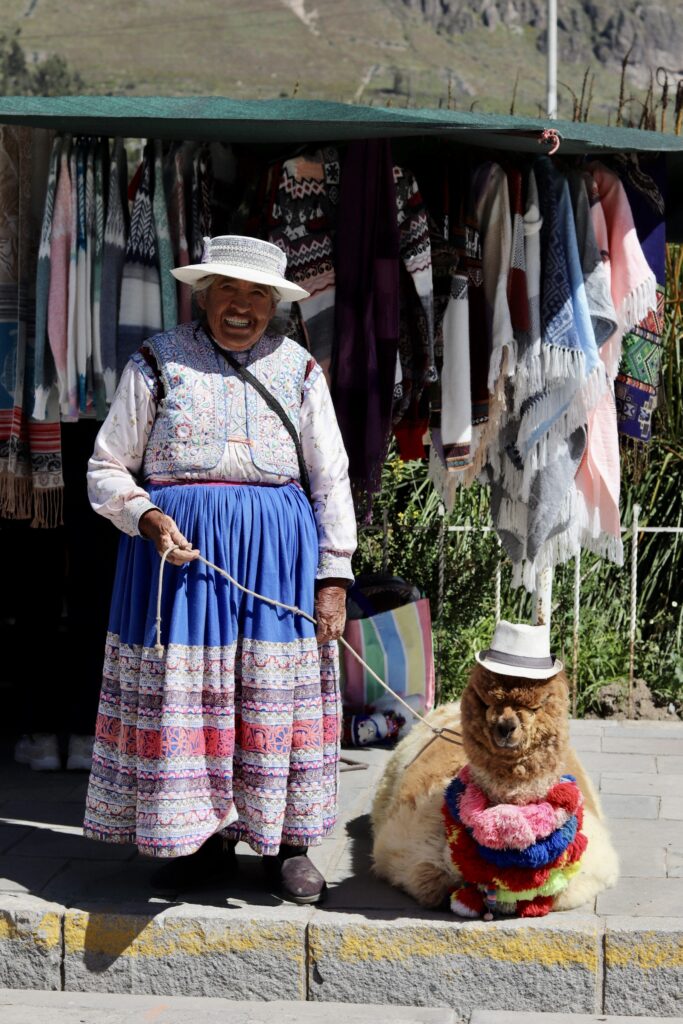
Chivay 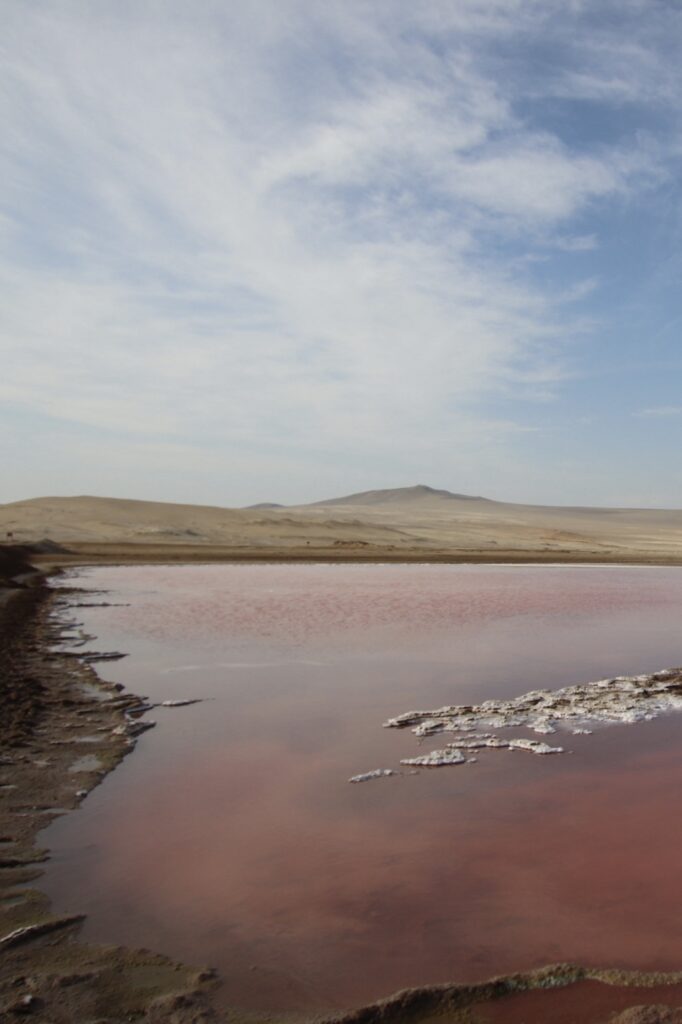
Pink Lagoon
1. Organise in advance
First of all I would advise you to organise months in advance. It is a big country, so there is a lot to see and there are also a lot agencies for you to choose from. This way you can also get the best options. Don’t forget that tickets for visiting Machu Picchu can sell out months in advance. The same can apply for agencies you want to do the tours with.
Expect a lot of traveling, hours and hours, so please, don’t make your itinerary too full. You just can’t see everything.
My top recommendations of best things to do or see would be (some we didn’t do):
-Lima cooking class
-Palomino or Ballestas Islands
-Paracas national Park
-Huacachina (sandboarding, buggies)
-Nazca flight
-Arequipa (ruta del Sillar)
-Colca Canyon
-Maras salt mines
-Machu Picchu
-Rainbow mountain/Red valley (Pallay Punchu becoming popular to avoid crowds)
-Salkantray trek
-Humantay lake trek
-Peruvian Amazonia
-Gocta Waterfall
Also Peru does not require proof of vaccination against yellow fever but recommends vaccination for travel to some ares like Amazonia and other parts below 2300 m. There are also some areas with malaria.
2. Altitude sickness in Peru (altitude illness)
One of the main worries people have before visiting is the altitude. If you are visiting Lima, Paracas, Huacachina and Arequipa (if I list some of the more popular ones) you don’t have to worry. From my research some people can feel the altitude in Arequipa, but only have mild sympoms as fatique. Most people have problems with Colca Canyon, Puno and Cusco.
You can feel fatique, headache, have stomach problems, difficulty sleeping, waking up without air, diziness, loss of apetite …
These symptoms can be avoided with ascending slowly – for example 500m per night above 3000m. This means you can visit higher areas through the day and return to lower altitude to sleep to avoid some symptoms but if the ascent is too high you can still feel sick.
I personally felt sick in Colca Canyon and I had to get an injection for altitude illness. Now you can prevent this by taking acetazolamide in advance. Don’t confuse altitude ilness with the lack of oxygen. Everyone will tell you that oxygen will help but as in my case – I had enough of it so I got an injection from a doctor and not oxygen.
I would advise you to choose an agency that puts health first – ask if they have oxygen and what is the protocol if something goes wrong. I would say in general they offer oxygen and hopefully they know how to react.
3. Weather
In Peru the weather can be quite different so prepare for everything: spring, summer, autumn and winter. You will need: sunscreen hat, sunglasses, tshirts, some wool shirts, jacket, windbreaker, shorts and long trousers, sandals, sneakers and hiking boots. Yes, your baggage will be full. Because the country is really big, you will need to check the weather for every city in the months you want to visit – in April in Huacachina we had quite high temperatures but it was cold in the evening, especially because of the wind. In Cusco be prepared for some rain – there is also a big chance for rain in Machu Picchu. On the other side they say there is a lot of mosquitos there if the weather is sunny.
In general I would say to avoid the rainy season from November to April. In late March 2025 there was still heavy rain. They had to evaquate some tourists from Cusco/Machu Picchu area. Also Puno was also one of the areas that had problems with floods.
4. Transportation
This is a big one as like I said, Peru is a big country. At the end we chose to travel with Peru Hop and I would really recommend them. But don’t be scared to use air transport. We chose to go to Cusco from Arequipa by plane as the bus takes 12 hours and now I can say I would higly recommend to you to do it as it is really so much less stressful. Now the Peru Hop buses are quite nice but I just can’t be more happy with our choice.
There is a lot of critisicm of Latam Airlines but I have to say it was the best flight of my life. We even boardered before time and we also got a snack in a 45min flight. There was no confusion whatsoever.
To go to La Paz (Bolivia) from Cusco we chose Avianca that was also really nice. You can also travel by bus which again takes around 12 hours.
Just choose the air company that suites your timetable better. (In Chile we chose SKY Airline and it is the only one I would also say to skip it if you can).
5. Food
In Peru you can really try some special food. Some of the best known are: la causa, ceviche, lomo saltado, aji de gallina, cuy, rocoto relleno and for sweets picarones and queso helado. I think you won’t need Mcdonald’s. I can also say I didn’t have any problems with served ice but always ask if it is made from purified water. I only drank bottled water and had no problems with bad food.
These are my top 5 Peru travel advice and tips. If you have any other specific question you can always write a comment. If you want some tips how to write an itinerary, check this article.
1 thought on “5 Peru travel advice and tips: Peru travel itinerary”